

Introduction to Glue Stick Manufacturing
Glue sticks, a staple in both household and industrial applications, play a crucial role in facilitating various bonding needs effortlessly. From school projects to heavy-duty packaging, these adhesive wonders cater to a wide spectrum of requirements. But, have you ever wondered how these glue sticks are made in a factory setting? This article delves deep into the production process of hotmelt glue sticks, highlighting the intricate steps and considerations involved in bringing these products to the market. It also touches upon the role of suppliers and manufacturers in China, who are pivotal in the wholesale production of these essential tools.
Raw Materials Used in Glue Sticks
● Types of Polymers and Additives
The journey of a glue stick begins with the selection of high-quality raw materials. The primary ingredients in hotmelt glue sticks are polymers, which are long chains of repeated molecules. The most commonly used polymers in these adhesives are Ethylene-Vinyl Acetate (EVA), polyethylene, polyamide, polyester, polyolefin, and Ethylene-Methyl Acrylate (EMA). These polymers are chosen for their unique properties, including strength, flexibility, viscosity, and heat resistance, which can be customized according to specific needs.
Additives play a crucial role in enhancing the properties of the glue sticks. These include tackifying resins, which influence the adhesion and setting time, waxes that regulate the open and set speed, plasticisers for added flexibility, and antioxidants to prevent degradation over time. Hotmelt glue sticks manufacturers carefully select these additives to ensure the glue sticks meet the desired specifications and performance criteria.
● Sourcing and Quality Control
The source of raw materials significantly impacts the quality of the final product. Leading hotmelt glue sticks suppliers prioritize sourcing from reputable providers who guarantee consistency and reliability. Quality control measures are meticulously implemented to assess the purity and efficacy of the raw materials before they move on to the production process. This step is integral to maintaining the high standards expected from wholesale hotmelt glue sticks distributors and ensuring customer satisfaction.
Heating and Melting Process
● Temperature Control and Equipment
Once the raw materials are procured and verified, the next step is the heating and melting process. The polymers and additives are introduced into large industrial mixers where they are heated to reach a molten state. This process requires precise temperature control to ensure the mixture achieves a homogeneous consistency without compromising its chemical properties. Advanced equipment is employed to maintain the ideal temperature and avoid fluctuations that could affect the quality of the glue sticks.
● Achieving the Optimal Molten State
Achieving the optimal molten state is crucial for the subsequent stages of production. The polymers need to be thoroughly melted to form a uniform mixture that can easily flow and fill the molds. Technicians monitor the heating process closely and adjust parameters as needed to ensure that the mixture maintains the desired characteristics. This careful management at hotmelt glue sticks factory settings is vital for producing a high-quality adhesive product capable of meeting diverse application requirements.
Cooling and Solidification Techniques
● Role of Cooling Tubes
After reaching the desired molten consistency, the mixture is channeled through long cooling tubes. As the mixture travels down these tubes, it begins to solidify into a semi-rigid form. Cooling tubes are designed to control the rate of solidification, which is an essential factor in determining the final properties of the glue sticks. This step requires precision, as uneven cooling can lead to product inconsistencies that could affect performance.
● Ensuring Uniform Solidification
Uniform solidification is key to producing reliable glue sticks. The cooling process is meticulously controlled to ensure that the mixture solidifies evenly along its entire length. This uniformity is critical for maintaining consistent adhesive properties throughout the stick. Any deviation in the cooling process can result in variations in viscosity, flexibility, and strength, which are undesirable in bulk production intended for wholesale hotmelt glue sticks markets.
Cutting the Glue Sticks to Size
● Cutting Technologies and Precision
Once the glue mixture has been uniformly solidified, it is ready to be cut into individual glue sticks. State-of-the-art cutting technologies are employed to ensure precision and uniformity. The solidified glue is fed into cutting machines that slice it into the standard lengths required for various applications. Precision cutting is critical to prevent waste and ensure that each stick meets the size specifications required by hotmelt glue sticks suppliers.
● Standard Lengths and Custom Options
Standard glue stick lengths are typically designed to fit various glue gun models used by consumers around the world. However, many hotmelt glue sticks manufacturers offer customization options to meet specific industry requirements. Whether it's a longer stick for industrial use or a specially formulated stick for a niche application, manufacturers can tailor products to suit diverse needs, catering to the demands of the global market.
Quality Assurance and Testing
● Inspecting for Consistency and Defects
Quality assurance plays a pivotal role in the manufacturing of glue sticks. Each batch undergoes rigorous inspection to identify any inconsistencies or defects that could affect performance. Automated inspection systems are often used to examine each stick, checking for uniformity in size, shape, and composition. Any defective products are removed to ensure only the highest quality glue sticks make it to the consumer.
● Testing Adhesive Properties
Beyond visual inspections, glue sticks are subjected to a series of tests to evaluate their adhesive properties. These tests measure the strength, flexibility, tack, and setting speed of the glue sticks. Manufacturers rely on these tests to confirm that their products meet industry standards and customer expectations. Consistently passing these tests is crucial for maintaining the reputation and reliability of hotmelt glue sticks manufacturers in a competitive market.
Packaging and Labeling Process
● Packaging Materials and Methods
Packaging is the final step in the production process before the glue sticks reach the consumer. The choice of packaging materials and methods is critical to safeguarding the quality and integrity of the glue sticks during transportation and storage. Manufacturers typically use blister packs, cartons, or bulk packaging options, depending on the target market and distribution channels. Packaging not only protects the product but also serves as a marketing tool to attract customers.
● Branding and Labeling Regulations
Accurate and informative labeling is essential for compliance with industry regulations and consumer transparency. Hotmelt glue sticks suppliers must ensure that their packaging includes necessary information such as product specifications, usage instructions, safety warnings, and manufacturer details. Branding also plays a key role in differentiating products in a crowded market. Distinctive branding helps suppliers build recognition and loyalty among consumers, particularly in competitive markets like China hotmelt glue sticks.
Environmental Considerations in Production
● Eco-friendly Materials and Practices
As environmental awareness grows, manufacturers are increasingly conscious of implementing eco-friendly practices in glue stick production. This includes using recyclable materials, reducing waste, and minimizing energy consumption. Some manufacturers are also exploring biodegradable glue stick options to meet the demand for sustainable products. Wholesale hotmelt glue sticks producers are under pressure to adopt greener processes to align with global environmental standards and consumer preferences.
● Waste Management and Recycling
Effective waste management is an integral aspect of modern manufacturing. Hotmelt glue sticks factories employ strategies to minimize waste at every stage of production. This includes recycling scrap materials and optimizing processes to reduce excess. By implementing comprehensive recycling programs, manufacturers can significantly decrease the environmental impact of their operations while also realizing cost savings, contributing to the overall sustainability of the industry.
Innovations in Glue Stick Manufacturing
● Advances in Formulation and Efficiency
The glue stick manufacturing industry is constantly evolving with innovations aimed at enhancing product performance and production efficiency. Recent advances in adhesive formulations have led to the development of glue sticks with improved bonding capabilities, faster setting times, and greater versatility in application. Additionally, automation and technological advancements in manufacturing equipment are boosting efficiency, reducing costs, and increasing production capacity for hotmelt glue sticks suppliers.
● Future Trends and Technology Integration
Looking ahead, the integration of smart technologies and data analytics is poised to revolutionize glue stick manufacturing. From predictive maintenance of equipment to optimizing supply chains, technology is enabling manufacturers to improve operational efficiency and product quality. Furthermore, the growing demand for customized and specialized adhesive solutions is driving innovation in product development, positioning manufacturers to meet the evolving needs of global markets more effectively.
Conclusion and Market Outlook
● Summary of Manufacturing Process
In conclusion, the production of glue sticks involves a meticulous process that begins with selecting the finest raw materials and ends with rigorous quality assurance and packaging. Each step, from melting and cooling to cutting and testing, is carefully managed to ensure the final product meets the high standards expected by consumers and suppliers alike. The involvement of reliable hotmelt glue sticks manufacturers and suppliers is crucial in maintaining the consistency and quality of these products across global markets.
● Predictions for Industry Growth and Development
As industries continue to expand and innovate, the demand for reliable adhesive solutions is expected to grow. With the rise of industries such as packaging, automotive, and electronics, hotmelt glue sticks will remain integral to various applications. Manufacturers and suppliers who invest in innovation, sustainability, and customer-centric solutions will likely lead the future market. The continual evolution of the glue stick industry promises exciting opportunities for manufacturers, suppliers, and consumers worldwide.
Secbond: A Trusted Name in Adhesive Solutions
HANGZHOU MEETLIN IMP.&EXP.CO.,LTD., based in Hangzhou, Zhejiang, has been a trusted player in the import and export business since 1998. With a focus on quality glue products, Secbond has developed a robust partnership with TAIZHOU SECBOND ADHESIVE PRODUCTS CO., LTD., ensuring a consistent supply of superior glue products. Serving over 40 countries, their SECBOND factory is equipped with cutting-edge facilities for fully customized production. Secbond aims to be a comprehensive adhesive solution provider, delivering high-quality products and exceptional service to clients worldwide.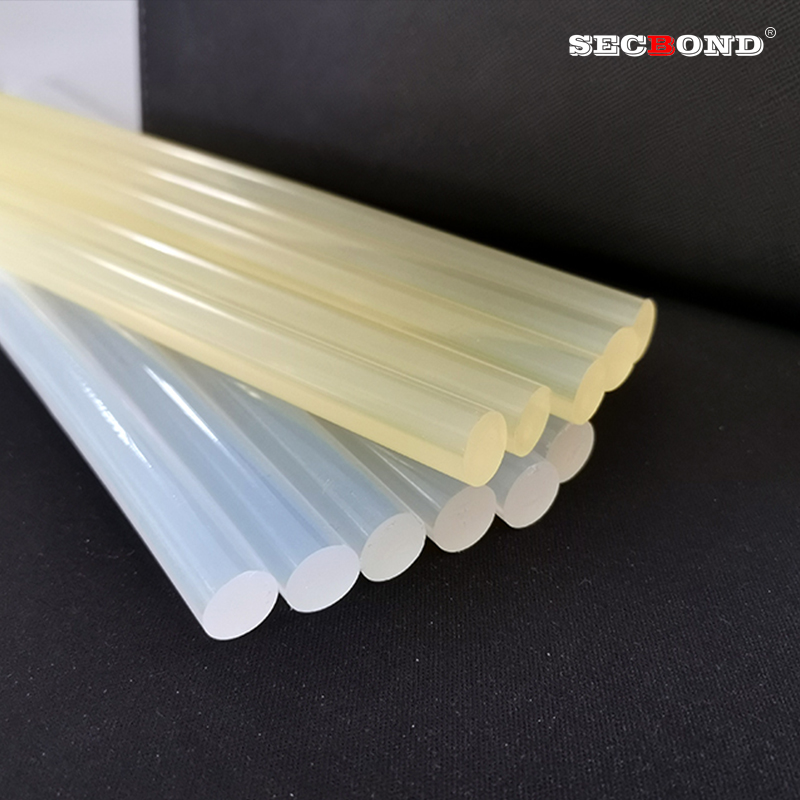
Post time: 2024-11-01 12:45:07