

Understanding the nuances of adhesives in woodworking can be crucial for craftsmen and manufacturers aiming to produce high-quality products. Among the diverse types of adhesives available, white glue, also known as polyvinyl acetate (PVA) glue, stands out due to its unique properties and versatility. It is a staple in workshops around the globe, including China, where wholesale white glue is frequently utilized across various industries. In this article, we explore the characteristics, benefits, and applications of white glue, and provide insights into its market presence through white glue manufacturers, suppliers, and factories.
Introduction to White Glue in Woodworking
White glue is a popular adhesive choice in woodworking due to its ease of use and effective bonding capabilities. It is an emulsion-based adhesive that dries clear, making it aesthetically favorable for many projects. The adhesive is known for its flexibility, which accommodates wood movement better than more rigid alternatives. This section will delve into the characteristics of white glue and its common applications in woodworking projects.
● Characteristics of White Glue
White glue is revered for its non-toxic, water-based formulation, which allows for easy clean-up and application. It provides a strong initial tack and securely bonds porous materials, particularly wood. The adhesive also offers a certain degree of flexibility, which is essential in woodworking, where natural expansion and contraction of materials occur.● Common Uses in Various Projects
White glue is commonly used in projects requiring precision and clean finishes. Cabinetry, furniture assembly, and veneering are just a few examples of projects where white glue excels. Its ability to dry clear makes it ideal for visible joints, while its strong adhesion ensures long-lasting durability.Comparing White Glue to Yellow Glue
Though both white and yellow glue are PVA-based, they serve different purposes in the woodworking realm. Understanding these differences helps in selecting the appropriate adhesive for specific projects.
● Differences in Tack Time
White glue generally has a slower tack time compared to yellow glue, also known as carpenter's glue. This extended tack time allows for more flexibility during project assembly and adjustment, which is beneficial for intricate or multi-component projects.● Performance in Different Conditions
While yellow glue tends to be more heat and water resistant, white glue is preferred for indoor projects where these conditions are not a concern. Its ability to form a strong bond under normal indoor conditions makes it a reliable option for most woodworking tasks.Benefits of Longer Tack Time
The longer tack time of white glue provides several advantages in woodworking, particularly when dealing with complex assemblies or precision tasks.● Advantages for Complex Assemblies
In projects involving numerous components, the extended time before white glue sets allows for adjustments and repositioning of pieces. This flexibility is invaluable for intricate designs and elaborate assemblies where precision is key.● Flexibility During Project Adjustments
Having the ability to adjust and reposition components without compromising adhesion strength is a significant advantage. White glue's forgiving nature ensures that craftsmen can achieve the desired alignment and fit before the adhesive sets.Working with Complex Projects
When working with complex or large-scale projects, employing effective techniques and leveraging the benefits of white glue can make a significant difference.
● Techniques for Effective Assembly
Utilizing proper clamping techniques and applying even pressure are essential to ensuring a strong bond. Additionally, selecting the right type of white glue, considering factors like viscosity and drying time, can optimize results.● Examples of Projects Benefiting from White Glue
Projects such as multi-layered laminates, intricate furniture designs, and detailed joinery work benefit immensely from the longer open time and strong adhesion of white glue. Its versatility makes it an excellent choice for both hobbyists and professional craftsmen.Tips for Using White Glue Effectively
Proper application techniques can enhance the effectiveness of white glue and ensure optimal results for woodworking projects.
● Application Methods for Optimal Results
Applying a thin, even layer of glue on both surfaces to be bonded ensures maximum adhesion. Using tools like glue brushes or rollers can aid in achieving an even application.● Preventing Glue Run-Off and Waste
Using the right amount of glue is crucial to avoid run-off and waste. Excess glue can lead to weak bonds and aesthetically unpleasing finishes, whereas too little glue can compromise the integrity of the joint.Curing Time and Project Planning
Understanding the curing process is vital for planning project timelines and ensuring robust results with white glue.
● Managing Project Timelines with White Glue
While white glue offers a forgiving tack time, it is important to account for the full curing time in project schedules. Most white glues require 24 hours to fully cure, providing a strong and durable bond.● Ensuring Strong Bonds After Curing
Ensuring proper clamping and allowing the glue to cure undisturbed is essential to achieve maximum bond strength. Post-curing, the adhesive bond will provide impressive strength and durability.White Glue Compatibility with Materials
Selecting materials that work well with white glue can optimize results and prevent common issues.
● Best Materials to Use with White Glue
White glue is particularly effective with porous materials, such as wood, paper, and cloth. When used in combination with these materials, it provides a strong and lasting bond.● Avoiding Common Pitfalls
Using white glue on non-porous materials can be challenging, as it may not adequately penetrate surfaces. For these materials, alternative adhesives may be more suitable.Cost Effectiveness of White Glue
White glue stands out for its cost-effectiveness, making it an attractive option for businesses and workshops engaged in large-scale woodworking projects.
● Economic Benefits in Large Projects
The affordability of white glue, especially when purchased from wholesale white glue suppliers, makes it suitable for high-volume production. It provides an excellent balance of performance and cost, which is crucial for maintaining profitability.● Comparing Costs with Other Adhesives
Compared to other adhesives, white glue often provides similar performance at a lower cost. This affordability, combined with its efficacy, makes it a preferred choice for many woodworking applications.Environmental and Safety Considerations
White glue's formulation offers both environmental and safety benefits, making it a responsible choice for conscientious manufacturers and craftsmen.
● Non-toxic and Eco-friendly Aspects
White glue is water-based and non-toxic, minimizing environmental impact and ensuring safer usage. Its ease of clean-up and low emissions further enhance its eco-friendly profile.● Safe Usage Practices for Craftsmen
Adopting safe handling practices, such as wearing protective gear and maintaining proper ventilation, ensures a safe working environment. These practices are essential when handling any adhesive, even those with low toxicity levels.Conclusion: Why Choose White Glue?
White glue's versatility, ease of use, and economic benefits make it an exceptional choice for woodworking applications. Its ability to bond a variety of materials, combined with its non-toxic formulation, provides a safe and effective solution for craftsmen and manufacturers alike. When sourced from reputable white glue manufacturers and suppliers, such as those within China, white glue becomes an integral component of quality woodworking projects.
About Secbond
HANGZHOU MEETLIN IMP.&EXP.CO.,LTD. is based in Hangzhou, the capital city of Zhejiang province. With over 20 years of experience, they have positioned themselves as a key player in the import and export business, focusing on adhesive products. In collaboration with TAIZHOU SECBOND ADHESIVE PRODUCTS CO.,LTD., they have extended their product reach to over 40 countries, operating a 2600 sq.m factory with more than 50 employees. Equipped with advanced facilities, Secbond offers a wide range of adhesive solutions and fully customized services to meet the diverse needs of their customers.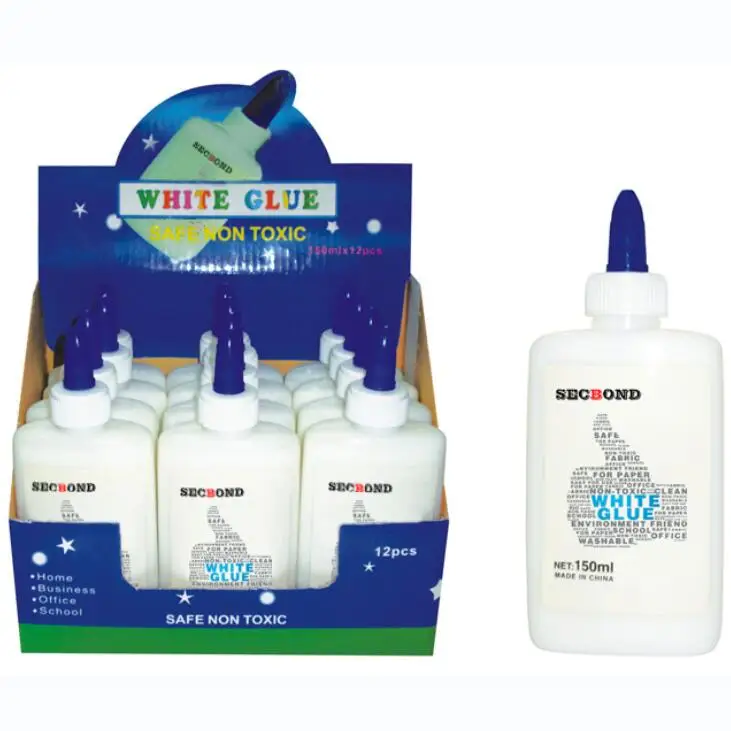
Post time: 2025-03-19 12:26:04