

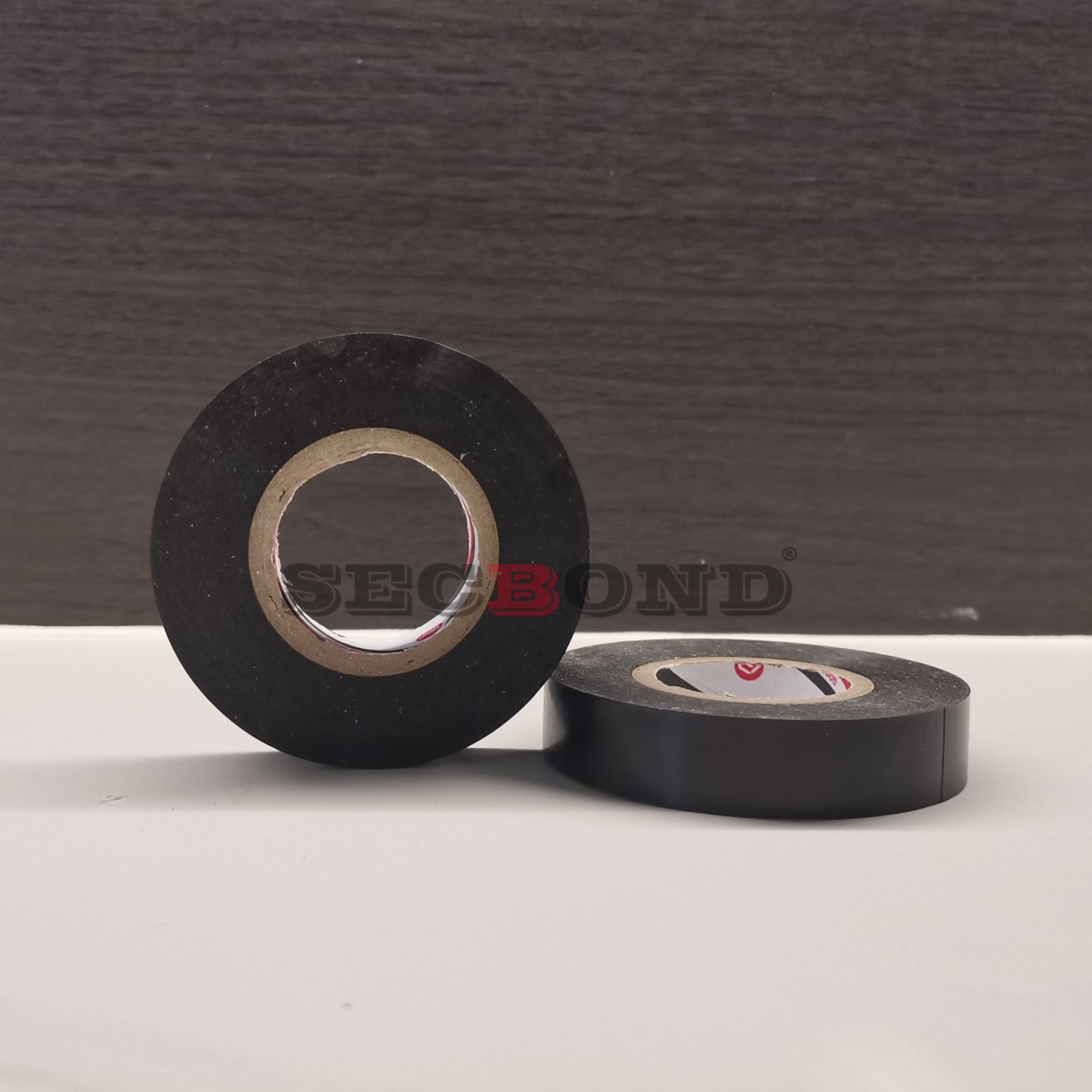
| Product Main Parameters | |
|---|---|
| Material | PVC |
| Adhesive Type | Water Activated |
| Adhesive Side | Single Sided |
| Color | Black/Red/Green/Yellow |
| Width | 10mm/15mm/customized |
| Thickness | 0.1mm~0.5mm |
| Length | 10m |
| Common Product Specifications | |
|---|---|
| High Viscosity | Yes |
| Ware Resistance | Good |
| Toughness | High |
| Use | Electrical Insulation, Wire Identification |
Product Manufacturing Process
The production of foam weatherstripping involves several key steps to ensure quality and effectiveness. Initially, raw materials such as PVC are processed and extruded into sheet forms, which are then cut to desired sizes. These sheets are treated with an acrylic adhesive that is water-activated to enhance bonding. Advanced machinery ensures precise cutting and adhesive application, followed by a quality inspection phase to check for uniformity and effectiveness.
Product Application Scenarios
Foam weatherstripping is widely used in electrical and construction scenarios due to its excellent insulation properties. It is commonly applied to seal gaps in windows and doors, providing an effective barrier against air and moisture. The insulation helps in maintaining consistent indoor temperatures, reducing energy costs, and increasing HVAC system efficiency. Additionally, it is popular in wire identification and electrical insulation applications where both safety and reliability are crucial.
Product After-Sales Service
We offer comprehensive after-sales support, including installation guidance, troubleshooting assistance, and replacement services for defective products. Our team of experts is available via phone and email to address any concerns and ensure customer satisfaction.
Product Transportation
Our foam weatherstripping products are carefully packaged and shipped globally, adhering to international safety standards. We collaborate with leading logistics suppliers to guarantee timely and secure delivery to our clients.
Product Advantages
- High-quality insulation properties
- Flexible and durable for various applications
- Customizable sizes and colors
- Cost-effective energy solution
- Easy installation with self-adhesive backing
Product FAQ
- What are the primary uses of foam weatherstripping?
Foam weatherstripping is primarily used for sealing gaps in windows and doors, enhancing energy efficiency, reducing drafts, and improving indoor air quality. Suppliers often recommend it for both residential and commercial applications due to its versatility and effectiveness.
- How long does foam weatherstripping last?
The lifespan of foam weatherstripping depends on environmental factors and application conditions. Under normal usage, it can last several years but may require periodic replacement in extreme climates. Suppliers suggest monitoring for signs of wear and tear over time.
- Can foam weatherstripping be used outdoors?
While foam weatherstripping can be used outdoors, it is essential to consider exposure to UV light and extreme temperatures, which may affect its durability. Suppliers recommend using additional protection or opting for more durable materials for heavy-duty outdoor applications.
- Is foam weatherstripping easy to install?
Yes, foam weatherstripping is designed for easy installation. The self-adhesive backing simplifies the process, making it accessible for DIY applications. Suppliers provide installation guides to ensure proper application and maximum effectiveness.
- What materials are used in foam weatherstripping?
Common materials used in foam weatherstripping include PVC, polyurethane, polyethylene, and neoprene. These materials are chosen for their flexibility, durability, and insulation properties. Suppliers select materials based on specific application needs.
- How can I ensure the effectiveness of foam weatherstripping?
For optimal results, ensure surfaces are clean and dry before application. Proper alignment and compression of the foam weatherstripping are crucial for sealing. Suppliers suggest regular inspections and maintenance to maintain performance.
- Are there eco-friendly options for foam weatherstripping?
Yes, many suppliers offer foam weatherstripping made from eco-friendly materials or recycled content. Choosing products with low environmental impact can contribute to sustainable practices in building insulation.
- Can foam weatherstripping help with noise reduction?
Yes, foam weatherstripping can reduce noise transmission by sealing gaps and minimizing sound infiltration. Suppliers note that while it provides some soundproofing, its primary function is insulation and draft reduction.
- What are the storage recommendations for foam weatherstripping?
Foam weatherstripping should be stored in a cool, dry place away from direct sunlight and extreme temperatures. Suppliers advise keeping it in its original packaging until installation to preserve adhesive quality.
- How do I choose the right foam weatherstripping for my needs?
Consider the specific application, gap size, and environmental conditions when choosing foam weatherstripping. Consult suppliers for guidance on selecting the appropriate material, size, and adhesive type for optimal performance.
Product Hot Topics
- Energy Efficiency with Foam Weatherstripping
The role of foam weatherstripping in enhancing energy efficiency is significant. By sealing gaps effectively, it reduces HVAC load, resulting in lower energy bills. Suppliers highlight its cost-effectiveness and impact on sustainable building practices. It is a practical solution for homeowners and businesses aiming to reduce carbon footprints while maintaining comfort.
- Durability in Different Climates
Foam weatherstripping's performance varies across different climates, with durability being a key consideration. Suppliers provide insights on selecting the right type for harsh weather conditions, ensuring longevity and effectiveness. Proper maintenance and replacement schedules are recommended to uphold energy-saving benefits.
- Installation Tips for Optimal Results
Successful foam weatherstripping installation requires attention to detail and proper technique. Suppliers offer tips and best practices to avoid common mistakes, ensuring maximum effectiveness. A clean surface and precise application are critical for achieving a tight, energy-efficient seal.
- Comparing Foam to Other Weatherstripping Materials
Foam weatherstripping is often compared to alternatives like rubber and metal for insulation purposes. Suppliers discuss the pros and cons of each, focusing on foam's flexibility and ease of installation. Understanding these differences helps consumers make informed decisions for their specific needs.
- Innovations in Foam Weatherstripping Technology
The weatherstripping industry is evolving, with innovations enhancing foam products' performance and sustainability. Suppliers emphasize advancements in adhesive technology and material composition that extend product lifespan and environmental benefits. Staying updated with these trends is essential for optimal insulation solutions.
- Cost Considerations for Home Insulation
Investing in foam weatherstripping offers a cost-effective solution for home insulation. Suppliers break down the long-term savings on energy bills and HVAC maintenance, highlighting foam's affordability compared to other methods. Proper planning and installation maximize financial returns.
- Impact on Indoor Air Quality
Sealing gaps with foam weatherstripping improves indoor air quality by preventing the infiltration of pollutants and allergens. Suppliers advocate for its use in health-conscious building designs, contributing to a cleaner, safer living environment.
- Supplier Selection for Foam Weatherstripping
Choosing the right suppliers is crucial for obtaining high-quality foam weatherstripping. Factors such as product range, customer service, and industry reputation play a role. Suppliers are evaluated based on their ability to meet diverse consumer needs reliably.
- The Role of Weatherstripping in HVAC Efficiency
Effective foam weatherstripping enhances HVAC system performance by minimizing energy loss. Suppliers analyze its impact on reducing operational strain and extending system life. Integrating weatherstripping into energy plans is emphasized for comprehensive efficiency improvements.
- Environmental Benefits of Using Foam Weatherstripping
Foam weatherstripping contributes to environmental sustainability by decreasing energy consumption and supporting green building practices. Suppliers highlight its role in reducing carbon emissions and promoting eco-friendly insulation solutions for environmentally conscious consumers.
Image Description
There is no picture description for this product