

Introduction to EVA and PVA Glues
In the diverse world of adhesives, ethylene-vinyl acetate (EVA) and polyvinyl acetate (PVA) glues are two prominent players. These adhesives are commonly used in various industries, ranging from arts and crafts to manufacturing and construction. Understanding the fundamental differences between these two types of glue can help users select the right product for their specific needs. This article will explore the composition, properties, and applications of EVA and PVA glues, shedding light on their unique strengths and suitability for different tasks.
● Composition and Chemical Structure
EVA glue is an adhesive made from ethylene-vinyl acetate copolymer. This chemical composition gives it unique properties that make it versatile and durable. EVA glue is especially popular in applications requiring a robust and waterproof bond. On the other hand, PVA glue is derived from polyvinyl acetate, which is a synthetic polymer. Its water-soluble nature and non-toxic properties make it a preferred choice in environments where safety and ease of use are priorities, such as in schools and crafting projects.
● Common Applications and Uses
While both EVA and PVA glues are versatile, they are often used in different contexts due to their distinct properties. eva glue sticks are frequently employed in industrial settings, including automotive, packaging, and woodworking industries, for their strong adhesive capabilities and resistance to environmental factors. Conversely, PVA glue's solubility in water and clear drying make it suitable for woodworking, paper crafts, and various household projects. Understanding these typical applications helps in selecting the appropriate adhesive for each specific task.
Material Composition and Properties
● Ethylene and Vinyl Acetate in EVA
EVA glue sticks consist of ethylene and vinyl acetate, which together form a copolymer known for its flexibility, transparency, and adhesive strength. These characteristics are adjustable depending on the ratio of ethylene to vinyl acetate, providing manufacturers the ability to tailor the glue sticks to specific requirements. As a result, EVA glue sticks are highly sought after in industries that require durable and flexible adhesion solutions.
● Polyvinyl Acetate Base in PVA
PVA glue, made from polyvinyl acetate, is known for its simplicity and effectiveness in certain bonding applications. Unlike EVA, PVA glue is water-soluble, meaning it can be thinned out or cleaned up with water. This feature makes PVA an excellent choice for environments where user safety is a concern, such as in crafting with children. Additionally, PVA glue dries clear, which is beneficial in applications where the adhesive should not be visible, such as in paper crafts and woodworking.
Bonding Strength and Durability
● Robust Bonding Characteristics of EVA
EVA glue is well-regarded for its robust bonding capabilities, particularly in situations where flexibility and water resistance are necessary. These properties make EVA a popular choice in the manufacturing sector. For instance, wholesale EVA glue sticks are utilized in the automotive industry to bond materials that must endure various environmental conditions, such as temperature fluctuations and exposure to moisture.
● Suitable Applications for PVA Glue
PVA glue, while not as strong as EVA, offers ample bonding strength for woodworking, paper, and cloth materials. Its ease of use and non-toxic nature make it suitable for educational environments and household projects. In carpentry, PVA glue is favored for its ability to bond wood effectively, providing a sturdy and lasting hold suitable for indoor furniture and other wood-related tasks.
Flexibility and Versatility in Use
● Flexibility Attributes of EVA
EVA glue's flexibility is one of its hallmark features. This property is especially beneficial in applications where the adhesive must accommodate movement and deformation, such as in footwear manufacturing. EVA glue sticks from suppliers in China often highlight these attributes, ensuring that products can bend and stretch without compromising the integrity of the bond.
● Versatility in Crafting with PVA
PVA glue's versatility shines in crafting and arts applications. Its ability to bond paper, wood, and other porous materials effectively makes it a staple in art classrooms and craft enthusiasts' toolkits. Moreover, its water solubility allows for easy cleanup and adjustments, making it an excellent choice for dynamic and fluid creative projects.
Water-Resistance and Solubility
● Water-Resistance in EVA for Outdoor Uses
EVA glue excels in outdoor applications due to its water-resistant properties. This makes it suitable for projects exposed to the elements, such as outdoor furniture and construction materials. EVA glue sticks manufactured under strict quality controls ensure that the adhesive remains effective even when subjected to rain or humidity, making them a dependable choice for external applications.
● Water-Soluble Nature of PVA
In contrast, PVA glue's water solubility can be a limitation in environments where exposure to moisture is a concern. However, this property also allows for easy cleanup and is advantageous in applications where adjustments are necessary. Additionally, being able to dissolve the glue with water can be beneficial in educational settings where young users might accidentally over-apply the adhesive.
Safety and Environmental Impact
● Non-toxic Features of PVA
One of the main advantages of PVA glue is its non-toxic nature, which makes it safe for use in environments with children and pets. This attribute, combined with its ease of cleanup and user-friendly application, makes PVA a favorite in schools and homes. Its non-hazardous formulation is also an appealing factor for those seeking environmentally friendly adhesive options.
● Environmental Considerations for EVA
While EVA glue is generally considered safe, it is important to consider its environmental impact. The production and disposal of EVA products can pose environmental challenges, thus selecting EVA glue sticks from sustainable manufacturers can mitigate some of these concerns. Many EVA glue stick factories aim to incorporate environmentally friendly practices in their production processes, enhancing the appeal of EVA as a responsible choice.
Drying Time and Transparency
● Quick Drying Time of EVA
The quick drying time of EVA glue is a significant advantage in industrial applications where time efficiency is crucial. This property allows for rapid production processes and assembly line operations, ensuring minimal downtime and high productivity. EVA glue sticks from specialized suppliers are designed to provide optimal performance with quick set times to support these needs.
● Clear Drying Appearance of PVA
PVA glue dries clear, which is a critical feature for tasks where the adhesive should not interfere with the visual aesthetics of the project. This transparency is especially beneficial in art and craft projects, woodworking, and any application where visible glue lines are undesirable. Wholesale PVA glue sticks often emphasize this feature, catering to customers who prioritize aesthetic considerations in their projects.
Industry Applications and Suitability
● Packaging and Assembly with EVA
EVA glue's strength and flexibility make it a favored choice in the packaging and assembly industries. Its ability to bond various materials, including plastics, metals, and textiles, makes it invaluable in creating sturdy and durable packaging solutions. EVA glue sticks manufacturers focus on producing adhesives that meet the rigorous demands of these industries, ensuring reliable and efficient packaging operations.
● Household and Crafting Uses for PVA
PVA glue's suitability for household and crafting applications cannot be overstated. Its non-toxic nature and ease of use make it an ideal adhesive for DIY projects, school assignments, and home repairs. Many PVA glue sticks suppliers offer a range of products specifically designed for these applications, providing users with versatile and accessible adhesive solutions.
Comparison of Adhesion Techniques
● Application Methods for EVA
EVA glue is typically applied using hot melt techniques, which require heating the adhesive to its melting point before use. This method is highly effective for creating strong bonds in industrial settings, but it necessitates specialized equipment and safety precautions. EVA glue sticks factories often produce custom formulations to cater to specific application methods and industry requirements.
● Adhesion Techniques for PVA
PVA glue, on the other hand, is applied cold and can be spread easily using brushes, sponges, or directly from the bottle. This simplicity in application makes PVA accessible for a wide range of users, from children to professional craftsmen. The ease of use and minimal equipment requirements make PVA an attractive option for many adhesion tasks.
Conclusion: Choosing the Right Glue
● Summary of Key Differences
The choice between EVA and PVA glue ultimately depends on the specific needs of the project. EVA glue sticks are renowned for their robustness, flexibility, and resistance to moisture, making them ideal for industrial and outdoor applications. In contrast, PVA glue offers safety, ease of use, and a clear finish, making it perfect for indoor crafting and woodworking projects.
● Factors to Consider for Specific Projects
When selecting between these adhesives, consider the material to be bonded, the environmental conditions, and the desired properties of the adhesive. For projects that demand a strong, water-resistant bond, EVA is often the superior choice. Conversely, for tasks requiring ease of application and safety, PVA is the recommended option. Understanding these factors will guide you in making an informed decision that aligns with your project goals.
About Secbond
HANGZHOU MEETLIN IMP. & EXP. CO., LTD., located in Hangzhou, Zhejiang province, is a prominent player in the adhesives market with over 20 years of experience. Specializing in glue products, Secbond has achieved an annual turnover exceeding 20 million US dollars. Partnering with TAIZHOU SECBOND ADHESIVE PRODUCTS CO., LTD., Secbond supplies products globally to over 40 countries. The SECBOND factory spans 2,600 sq.m with state-of-the-art equipment. Secbond provides a comprehensive range of adhesive solutions, committed to being a one-stop provider for all adhesive needs.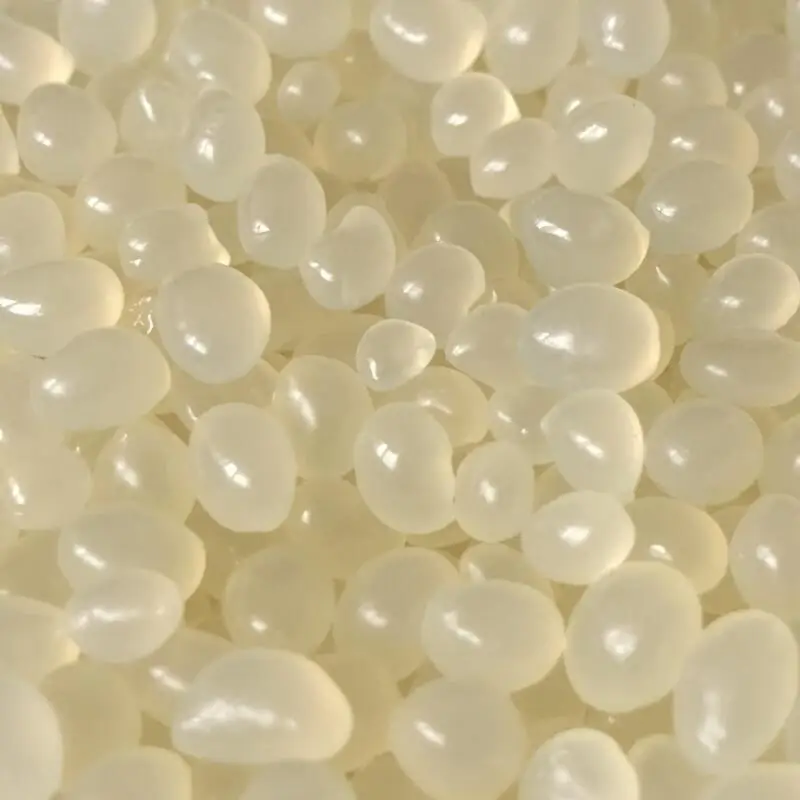
Post time: 2024-11-03 12:59:08