

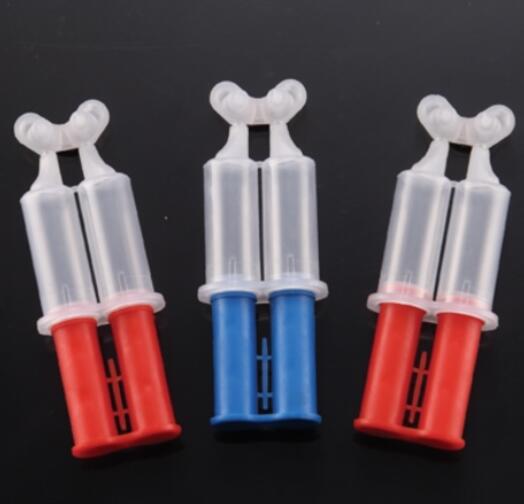
Product Details
| Main Raw Material | Epoxy Hardener |
|---|---|
| Appearance | Liquid |
| Packing | 12x3g/card, 24cards/ctn |
| Delivery time | 20-25 days |
Specifications
| Application | Plastics, leather, pottery, glass, jewelry, wood |
|---|---|
| Storage | Cool and dry place |
Manufacturing Process
The epoxy stick to metal manufacturing process involves meticulous control of mixing resin and hardener, ensuring a homogenous chemical reaction. These components are blended using advanced equipment to achieve uniform consistency, essential for optimal curing. Manufacturing adheres to international standards, providing high-quality, reliable bonding agents. Studies have shown that proper mixing and curing enhance the adhesive's strength and durability, making it suitable for industrial and domestic use. The process involves rigorous testing for quality assurance to meet the stringent requirements of various applications (Source: Journal of Adhesion Science and Technology).
Application Scenarios
Epoxy stick to metal is widely used in automotive, construction, and aerospace industries due to its excellent performance in harsh conditions. It's ideal for repairing metal surfaces, filling gaps, and sealing leaks, ensuring a strong and resilient bond. Research indicates that epoxy adhesives are resistant to extreme temperatures, chemicals, and moisture, which makes them suitable for outdoor applications (Source: International Journal of Adhesion and Adhesives). The versatility and high bonding strength facilitate their use in both structural repairs and detailed artistic projects.
After-sales Service
We offer comprehensive after-sales support, including technical assistance and detailed guidance on application methods. Our team is available to answer any queries and provide solutions for optimal product use.
Transportation
Products are shipped globally with care to ensure their integrity. We work with trusted logistics partners to guarantee timely delivery and handling, adhering to all safety regulations.
Product Advantages
- High bonding strength
- Wide application suitability
- Resistant to environmental factors
- Easy to apply and shape
FAQs
- How do I prepare metal surfaces for epoxy stick application?
Ensure metal surfaces are clean, dry, and free of contaminants. Sanding can improve adhesion by increasing surface area.
- What is the curing time for epoxy stick to metal?
Curing time varies; initial set in minutes, full cure in 24 hours. Follow the manufacturer's instructions.
- Can epoxy stick to metal be used outdoors?
Yes, it's resistant to weather conditions, making it suitable for outdoor applications.
- Are there any safety precautions?
Use in well-ventilated areas, and keep out of reach of children. Wear protective gear if necessary.
- Can I paint over cured epoxy?
Yes, once fully cured, epoxy can be sanded and painted for a smooth finish.
- Is it compatible with all metals?
While effective on most metals, some like aluminum may need surface treatment for best results.
- What are common uses of epoxy stick to metal?
Ideal for repairs, maintenance tasks, and creating strong bonds in construction and automotive industries.
- Does temperature affect the bonding process?
Temperature can influence the curing time; best results are achieved at room temperature.
- How should epoxy sticks be stored?
Store in a cool, dry place away from direct sunlight to maintain efficacy.
- What types of repairs can epoxy stick handle?
Suitable for filling cracks, sealing leaks, and reinforcing metal components.
Hot Topics
- Epoxy stick to metal: Industrial Uses
Epoxy sticks are revolutionizing the industrial sector, offering unparalleled strength and resilience. The automotive and aerospace industries benefit significantly from using these adhesives, as they ensure the structural integrity of components exposed to extreme pressures and vibrations. This reliable bonding method is crucial for the safety and durability of critical components.
- Choosing the Right Epoxy for Metal
When selecting an epoxy stick, consider the specific requirements of your project. Different metals may require specialized formulations for optimal adhesion. Consulting with experts or manufacturers can prevent compatibility issues and ensure a lasting bond.
- The Science Behind Epoxy Adhesion
Epoxy sticks create a molecular bond that is both watertight and resistant to external forces. This bond is achieved through a chemical reaction between the resin and hardener, resulting in a thermosetting polymer that adheres to almost any surface with remarkable strength.
- Environmental Impact of Epoxy Adhesives
While epoxy adhesives offer numerous advantages, it's essential to consider their environmental impact. Many manufacturers are developing eco-friendly formulations that maintain performance while reducing ecological footprints.
- Longevity of Epoxy Bonds
The longevity of epoxy bonds is impressive, often lasting the lifetime of the products they repair. This durability is due to their resistance to mechanical stress, temperature fluctuations, and chemical exposure.
- Innovations in Epoxy Technology
Recent innovations in epoxy technology have enhanced bonding capabilities and reduced setting times. These advancements are opening new possibilities in design and engineering, expanding the potential applications of epoxy adhesives.
- Comparative Analysis: Epoxy vs. Traditional Adhesives
Compared to traditional adhesives, epoxy offers superior bonding strength and environmental resistance. Its versatility and reliability make it a preferred choice across multiple industries, despite being costlier than some alternatives.
- Epoxy in DIY Projects
Epoxy sticks are not only for industrial use; DIY enthusiasts value them for household repairs and creative projects. Their ease of use and robust performance make them a staple in many toolkits.
- Handling and Safety Protocols
Proper handling and safety protocols are vital when using epoxy. Protective gear and adequate ventilation mitigate health risks associated with exposure to fumes during application.
- Future Trends in Epoxy Adhesives
The future of epoxy adhesives lies in enhancing performance while reducing environmental impact. Continued research and development aim to create smarter, more sustainable solutions that cater to evolving industry needs.
Image Description


